 |
||||||||||||||||
|
|
||||||||||||||||
| FEATURE | |||
 awangFlores is a purveyor of high-quality bags and accessories made from indigenous fabrics sourced responsibly in Southern Philippines. GawangFlores also provides custom-made fashion wardrobe, and rents gowns, dresses and tuxedos for events such weddings, parties and fashion shows as well. Visit them HERE for more details.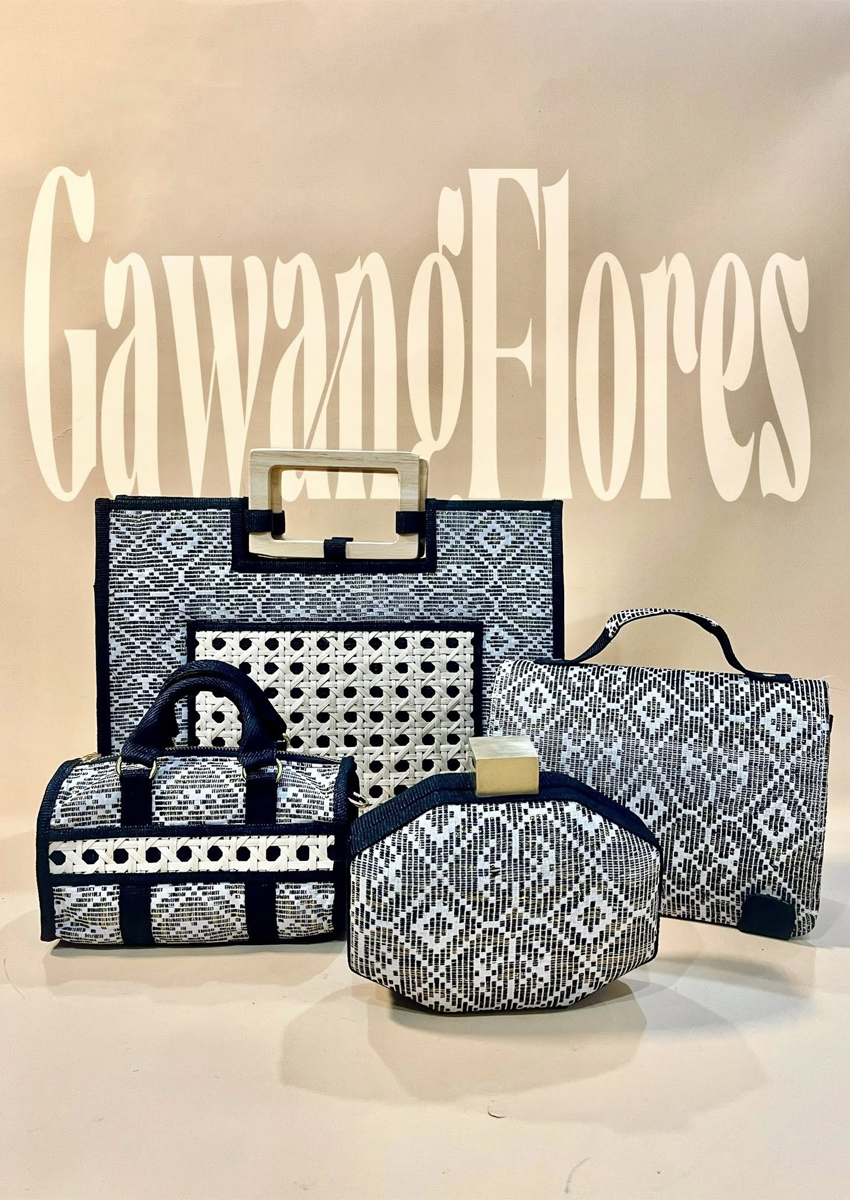
| FEATURE | |||
 his Feliciano Ador outfit highlights the masterful handiwork of the T'boli tribe of South Cotabato. 2010 Miss Universe runner-up Venus Raj wears a strapped Tnalak corset paired with matching gladiator high-heeled shoes, tempered with a simple black satin skirt. The look is accented by a signature tribal fringed bead belt with dangling brass bells, another hallmark of T'boli craftsmanship.
Tnalak is a traditional fabric from the southern Philippine island of Mindanao, woven by the T'boli people in and around Lake Sebu in South Cotabato. Made using the Ikat technique from abaca fibers, Tnalak typically features three colors: red, black, and the natural brown of the abaca leaves.
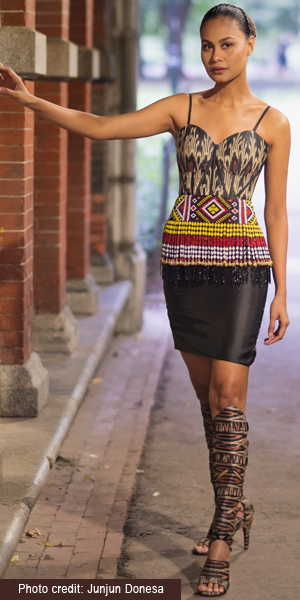 While the statuesque Venus Raj needs no introduction to elegance, Ador's Filipino neo-ethnic creations elevate her innate poise and feminine strength, just as she brings energy and presence to his designs. These pieces, part of Ador's Arise Mindanao collection, achieve a seamless harmony—a perfect match of model and garment, tradition and contemporary fashion. This end-of-summer photo shoot in Manhattan, New York City captures them at their best: elegance in simplicity, beauty in heritage, and strength in quiet confidence.
"This neo-ethnic collection, featuring Tnalak, Inaul, and other indigenous materials and styles, represents a woman who believes in herself, pursues her dreams with determination, and can showcase her versatility to the world," says Ador.
Tnalak is a traditional fabric found in the southern Philippine island of Mindanao, made by the T'boli people in and around Lake Sebu in South Cotabato. It is woven using a process called Ikat from abaca fibers, which usually come in three colors: red, black, and the original brownish color of the abaca leaves.